Score or Silence: Two Ways to Shape a Suspenseful Pause
Score or silence can shape a suspenseful pause in different ways; learn how each directs attention so the audience watches, listens and anticipates.
The common mistake with a suspenseful pause is to add music simply because the scene has stopped moving. A score can make a pause feel charged, but it can also tell the audience what to feel before the image has earned that response. Score or silence is not a choice between emotion and no emotion: each directs attention differently, and the best fit depends on what the audience should notice while the character waits.
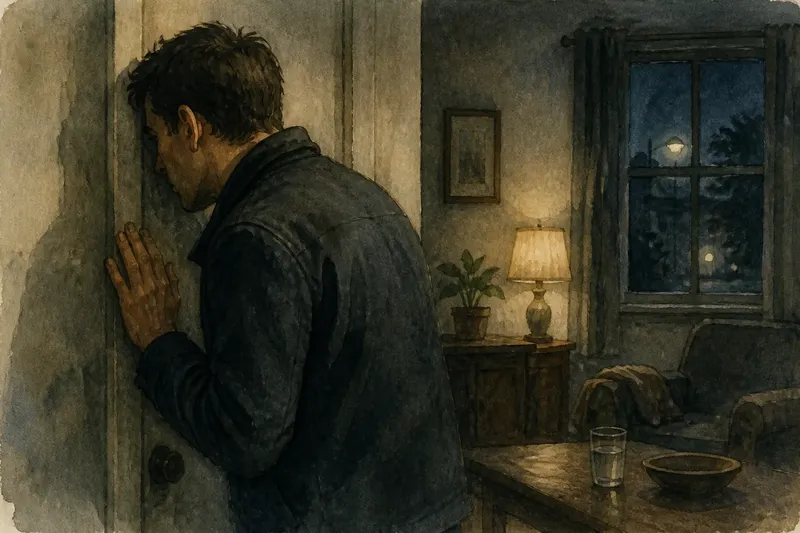
Think of a pause as an interval in which the story withholds an answer. A character may be listening at a door, searching a face for a reaction, or waiting for a machine to respond. Music can shape that interval by adding a pulse, texture or tonal expectation. Silence can expose the room’s existing sounds, the actor’s behaviour and the audience’s own anticipation. Neither approach is inherently more suspenseful. The decision is about where the tension already lives.
What should the audience watch during the pause?
Start with the intended focus, not with the question of whether the scene “needs” music. If the suspense depends on a small visual change, such as a glance toward an open window, a restrained score can hold attention around the character’s expectation. If the suspense depends on whether the audience can detect a sound, music may compete with the very clue the scene needs them to hear.
Silence is especially useful when the scene asks viewers to inspect a performance. With no score directing their response, a swallowed breath, a delayed answer or a hand that does not quite reach for an object can carry more weight. This does not mean the soundtrack must contain literally nothing. A refrigerator’s hum, distant traffic or the rustle of clothing may remain; “silence” in this context often means the absence of added music.
Score is more useful when the audience needs a shaped sense of time or emotional pressure. A sustained tone can make a pause feel as if it is narrowing, while a sparse repeated figure can make the wait seem to continue. But if the acting and scene design already establish a clear expectation, extra music may explain a moment that is better left open.
When does music sharpen the wait?
Choose a score when the pause needs a musical structure that the image alone does not provide. A low, steady sound can create continuity across a cut or hold a mood while a character’s attention shifts. A change in harmony or texture can also suggest that the situation is moving, even while the character stays still. The useful question is not whether the cue sounds ominous, but whether its movement corresponds to a change the audience should feel.
Music can also connect the viewer to a character’s subjective experience. A cue may make an ordinary wait feel unusually intense because the character is frightened, guilty or trying to remain composed. That perspective can be valuable when the film wants us to share a particular person’s state rather than weigh the scene from a neutral distance. If the audience should instead wonder what is happening beyond that person’s understanding, a strongly expressive cue can narrow the uncertainty.
Consider how the cue begins and ends. A score that swells at the start of every pause can become a signal that danger is coming, reducing the audience’s ability to read the image on its own. A quieter entrance, or music that persists from the preceding scene, may feel less like an instruction and more like part of the scene’s ongoing pressure. The cue’s shape matters as much as its presence.
When does silence create stronger suspense?
Silence fits when the audience should listen, judge or wait without a musical guide. It can make a familiar room feel exposed because small sounds become prominent. A clock, a pipe, a shifting chair or the faint movement of fabric can give the interval a physical setting. Such details are not automatically suspenseful; they matter when they relate to what the character is watching for or trying to conceal.
It can also preserve ambiguity. Music often carries an emotional implication, even when it is subtle. Without it, a pause after a question may leave viewers unsure whether a character is afraid, offended, calculating or simply tired. That uncertainty can be the point. Silence is a strong choice when the scene needs the audience to interpret behaviour rather than receive a cue about its meaning.
There is a difference between deliberate quiet and an accidental-feeling gap. A pause can seem unshaped if the performance, room tone and editing give the audience no reason to stay with it. Before adding a score, ask whether the actor’s timing and the surrounding sound already give the interval a readable shape. If they do, music may flatten an interesting hesitation into a familiar suspense signal.
Which choice fits the kind of pause you have?
- If a sound is the clue, favour silence or very sparse music. Leave the relevant noise clear enough to register, and consider whether a musical texture might mask it or draw attention away from its source.
- If a facial change carries the turn, begin with silence. Let the audience read the expression and timing before deciding whether a later cue should underline the shift.
- If the pause tracks a character’s fear, consider a restrained score. Use music to express the character’s pressure when that point of view matters, without automatically defining the unseen threat.
- If the audience should remain uncertain about emotion, favour silence. It leaves more room for competing readings of a look, a delay or a non-answer.
- If the wait needs to feel continuous across a cut, consider carrying music through it. A sustained cue can join separate images, while a cut to quiet can make the new space feel abruptly exposed.
- If the pause is already full of precise room sounds, protect those sounds. Keep the musical layer light, or leave it out, so the atmosphere remains legible.
These are not rules that dictate a result. They sort the choice by the scene’s primary source of tension: a clue, an expression, a character’s inner state, uncertainty, continuity or the acoustic character of a place. More than one may apply. In that case, decide which one should lead and let the other elements support it.
How can a scene combine score and silence?
The choice need not be identical across the entire pause. Music can stop when a character begins listening, leaving the audience with the same unadorned soundscape as the character. Alternatively, a scene can begin in quiet and introduce a restrained cue only after a look or action changes its meaning. These shifts are most effective when they have a clear relation to the scene, rather than serving as automatic markers for a reveal.
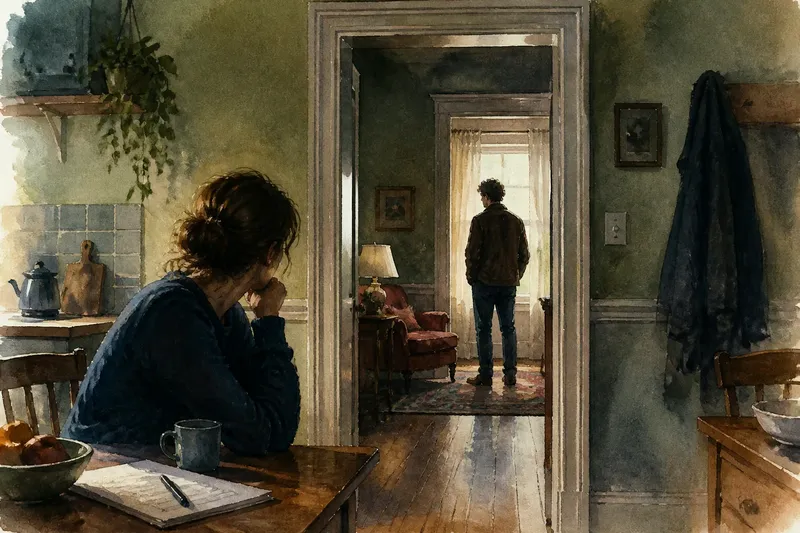
Imagine a character sitting in a kitchen after hearing an unexplained knock. The scene’s purpose is for viewers to notice whether the character recognises a second, softer knock. If a score fills the space with a rising pulse, it may point to general danger and obscure the distinction between the sounds. Leaving out music would give the knock room to register; a quiet cue after the character’s response could then express the fear that follows. If the scene instead concerns the character trying to control their fear while waiting, a restrained score from the outset could keep that inner pressure present. The right choice changes with the intended focus, not with the fact that someone is waiting.
Sound design also affects what silence means. Removing music while retaining room tone can make a setting feel close and tangible; removing nearly all ambience can make the pause feel isolated or unreal. Those are different effects. Before treating silence as a blank, decide which sounds stay, which are absent, and whether the audience should share the character’s listening or observe them from outside.
What is not worth the effort is adding layers of subtle music merely to make a pause seem sophisticated. If the cue’s role cannot be described in terms of attention, point of view or timing, it may be decoration rather than a useful choice. A clear performance, a meaningful sound in the room and a well-held image can already do substantial work.
What questions help decide between score and silence?
Does silence mean removing every sound?
No. In scene-making, silence often means withholding added music while keeping room tone and story sounds. Whether ambience remains should follow the scene’s setting and the audience’s intended point of attention.
Can music make a pause less suspenseful?
Yes, if it reveals too much about the expected emotion or competes with a sound or performance detail the audience needs to notice. A cue can also make suspense feel routine if it appears in the same way whenever a character waits.
Should suspenseful music begin before or during the pause?
Either can work. Music already present can carry pressure into the interval, while a cue that begins during it can make the entrance itself meaningful; choose according to whether the audience should feel continuity or a new shift in attention.
How can I tell if the pause needs a score?
Describe what viewers should attend to while nothing decisive happens. If the answer is a sound, a performance detail or unresolved ambiguity, try the scene without music first; if the answer is a character’s emotional pressure or a sense of continuing movement, consider a carefully shaped cue.
How do you make the final choice?
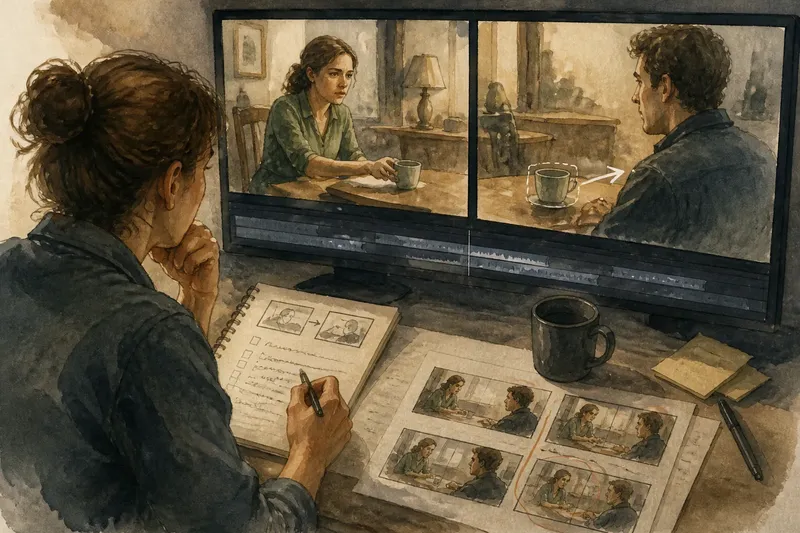
For a score-or-silence decision, identify the pause’s central task, then ask what could distract from it. If the scene depends on a quiet clue or an unreadable reaction, preserve space for the audience to listen and interpret. If it depends on sustained subjective pressure or a musical sense of time, a restrained cue may serve the scene. A brief comparison of both versions can reveal which one keeps attention on the intended detail, but the decision should be judged in context with the performance, image and surrounding sound.
The most useful test is not whether a pause feels tense in isolation. Ask whether it makes the audience wait for the right thing. When the scene’s focus is clear, score and silence become distinct tools for directing attention, not competing claims about how suspense ought to sound.